|

“When it comes to the development work, we’re in charge”

At the Technopark in Winterthur, the start-up Vigilitech is developing a non-invasive monitoring system for small animals in labs. Artificial intelligence has long been part of their work. “It helps us to come up with new ideas because it can process large amounts of information very quickly – on a scale that used to take us a long time,” says the founder and CEO of Vigilitech, Marc Zünd.

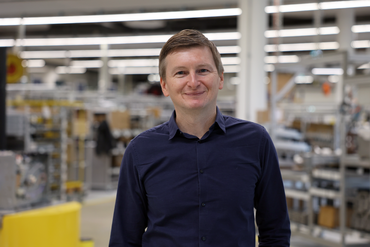
CEO Marc Zünd
AI accelerates many processes at Vigilitech, says CEO Marc Zünd. Photo: IPI.

The idea for the company originated in a problem Marc encountered in his own research work. There was a lack of devices that were easy to use, affordable and, at the same time, tailored to the current requirements of preclinical research. As there was no suitable solution available, Marc began developing devices himself. Vigilitech now employs 12 people and operates internationally.


The company uses AI tools primarily for data analysis and searches. “We obtain well-prepared information quickly, which we can use to assess the state of the art, for example.” AI has become an important aid to the company, particularly when it comes to searching for existing technologies. “We can very quickly see what’s already available on the market and in what form. This helps us to rapidly determine whether we need to adapt a planned patent.”

 

Clearly defined roles

Nevertheless, the role of AI is clearly defined. “When it comes to the development work, we’re in charge,” says Marc Zünd. AI supports the process but doesn’t replace research work or strategic decisions.


Dealing with sensitive information remains a challenge. “That’s why it’s essential that companies are able to carry out research in a secure environment and that the data is not used for any other purpose.” Although Vigilitech intentionally uses AI systems, the company remains cautious. “We don’t disclose any details about planned inventions.”


Marc Zünd stresses that AI has not changed the way in which his company files for patents, except that they’re faster now. The central question is still whether an invention offers a technological advantage that can be protected. The founder says that AI is particularly useful as a search and analysis tool in this regard.


IP strategy remains traditional

The start-up’s IP strategy therefore remains traditional, despite its use of AI. Once it’s developed a new technical solution, Vigilitech works with external patent attorneys. They help the company assess whether it’s worth filing an application, assist in the intellectual property rights procedures and manage deadlines.


“This is incredibly valuable for a small start-up because we don’t have the resources to keep track of the entire life cycle of a patent ourselves,” says Marc Zünd.


He concludes that AI speeds up many processes, particularly when it comes to gathering information. However, Vigilitech’s core focus remains on its own development work – and the protection of its innovations.


Protecting Innovation in the Age of Artificial Intelligence

How are Swiss companies using artificial intelligence in the innovation process? Does its use influence patent filing behaviour or a company's intellectual property protection strategy? The IPI explores these and other questions in a series featuring Swiss companies. The case study will also be made available as a PDF at a later date.


About Vigilitech

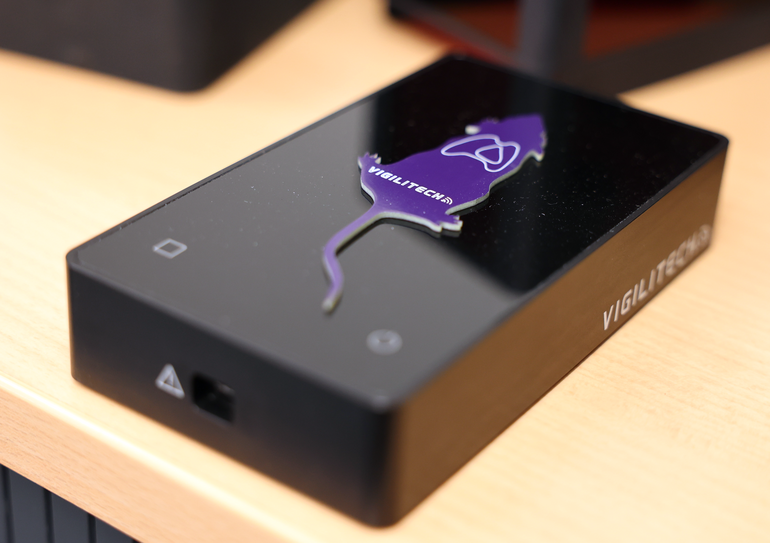
Based in Winterthur, Vigilitech AG develops sensor and software solutions for biomedical research. Its «MARTA» system enables the contactless monitoring of laboratory animals and records vital parameters such as heart and respiratory rates without placing additional strain on the animals. This reduces stress and interventions, improves animal welfare and at the same time enhances the quality and reliability of preclinical studies.

Back to all blog articles

Share article