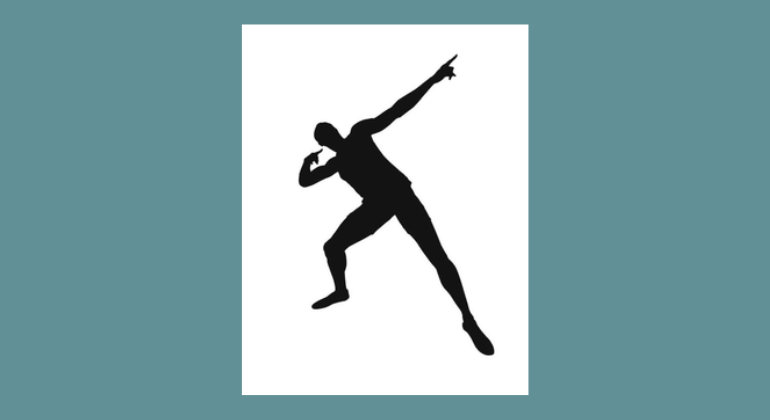
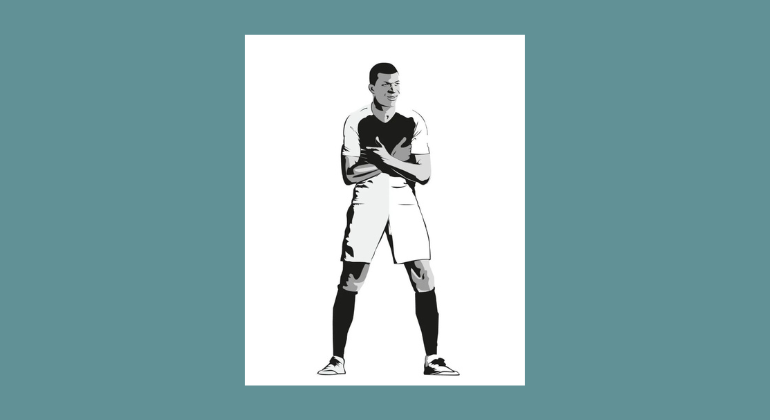
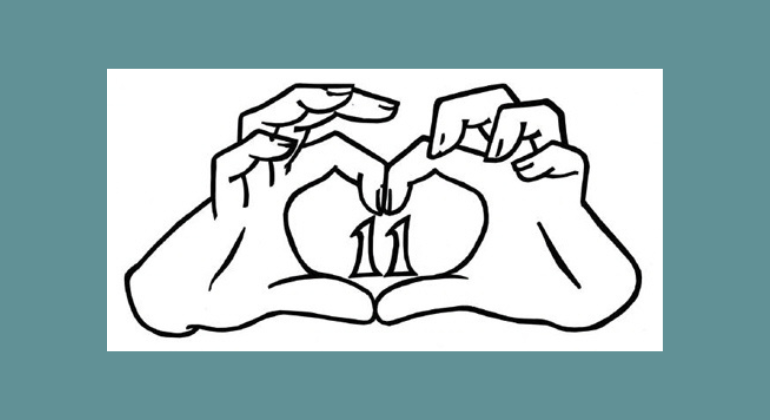
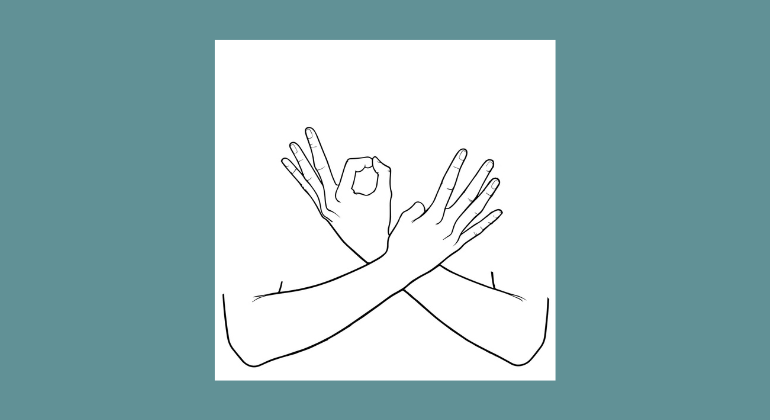
Sport thrives on emotions and gestures. Stars such as the sprinter Usain Bolt and the professional footballer Lamine Jamal have even had their victory poses registered as trade marks. How does that work? And can no one else strike these victory poses now?
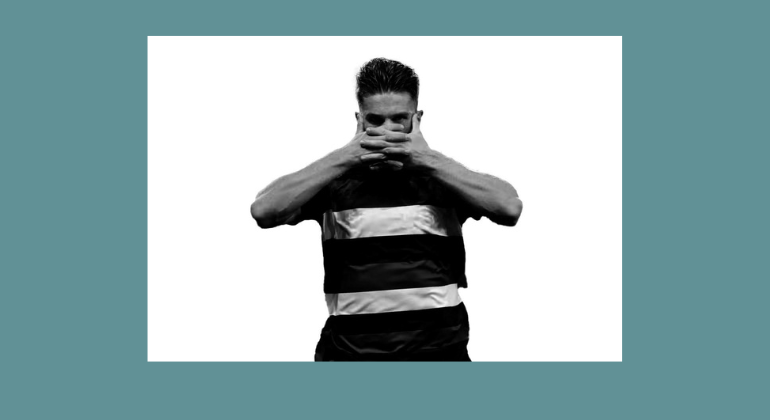
Seine Geste ist auch eine Marke: Fussball-Profi Viktor Gyökeres.
Some sports stars make a memorable impression on us not just for their achievements, but also for their victory poses. The Swiss public will never forget the ski flips of ski champion Didier Cuche, for example. Rituals like these are often imitated, so they become a sportsperson’s ‘trade mark’.
A gesture can also be registered as a trade mark in the legal sense if the athlete wants to use it for commercial purposes. The pose must differ from everyday gestures and be recognised as a distinctive feature. This could allow it to be depicted on products, among other things. For example, recognisable gestures may appear on merchandise, such as t-shirts, bags and caps.
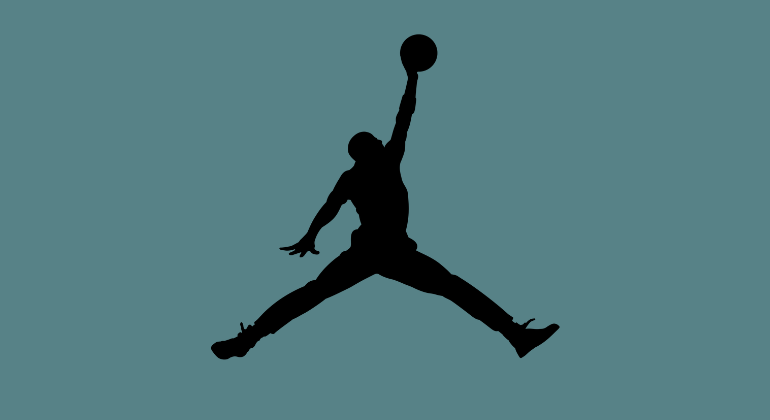
The ‘Jumpman’
One of the best-known examples of a gesture protected by trade mark law is that of Michael Jordan. The image or silhouette of the former basketball star’s jump can still be seen on Nike trainers today. Jordan did in fact jump like this once, but during a photo shoot and not a match. Ideally, an athlete’s pose should retain its value even after their active career ends. It’s safe to assume that Jordan earns a hefty amount from Nike’s use of the jumping logo. This makes long-term trade mark protection all the more important.
How trade mark protection for gestures works
How can you pin down and protect a gesture or pose as a trade mark? You can register it as a figurative mark or as part of a combined word and figurative mark (pose and text). Another option is to use a motion mark. In this case, the pose is animated and is therefore in motion. However, this kind of trade mark is rarely suitable for use on products.
The options for protecting gestures show just how multi-faceted trade mark protection can be. In addition, there are many other options for protecting business-related information. For example, melodies – such as the Swisscom jingle – can also be protected. For all types of trade marks, protection always covers the classes of goods and services that are specified in the application. These might include food, clothing, services or cosmetics. The appeal of trade mark protection lies in the fact that you can renew a trade mark as often as you want.
We’re all allowed to strike a pose
Even if a gesture is protected by trade mark law, anyone can imitate it, whether at a professional match or at a casual kickaround. It’s not possible to ban people from physically imitating a trademarked gesture: only the commercial exploitation of the gesture is protected. For example, it can’t be used on fan merchandise or in an advertisement without the permission of the trade mark holder.
Some athletes also protect their names. In Switzerland, for example, Mujinga Kambundji has done this, as we reported in an earlier blogpost.
A database search revealed a number of figurative marks of sportspeople.