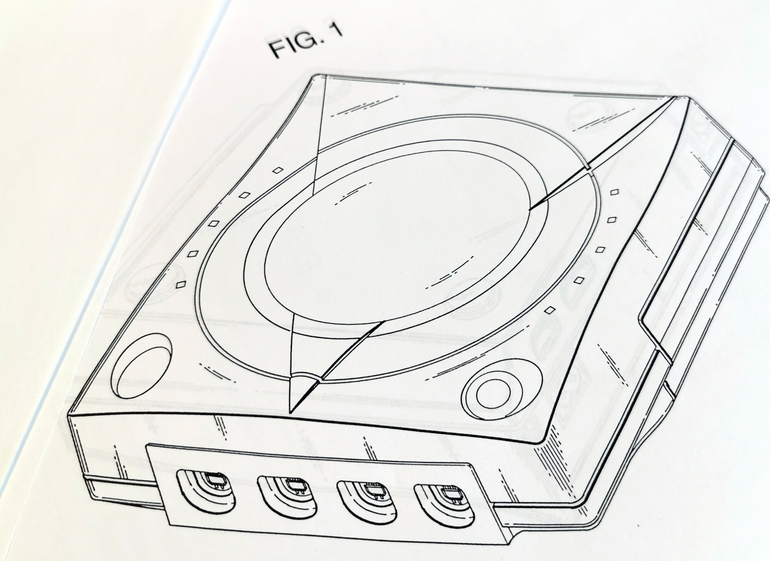
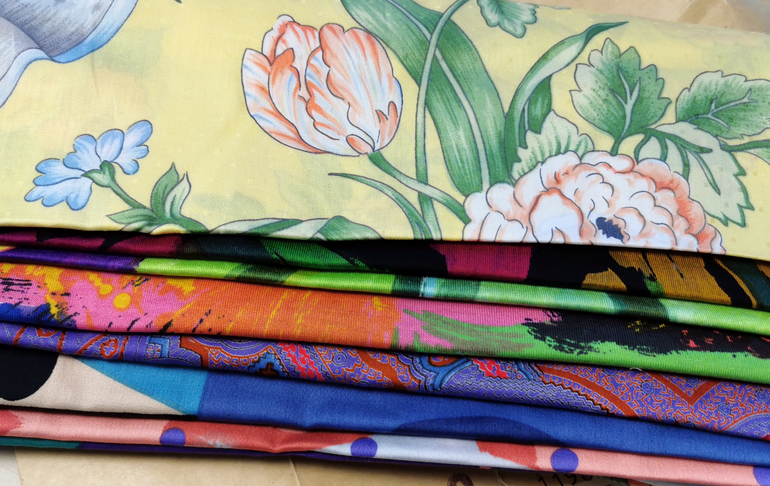
In 1996, the Federal Office of Intellectual Property became the Swiss Federal Institute of Intellectual Property (IPI). One tradition was carried over into the new era – designers could still send their design objects to the IPI by post. The range of objects submitted for design protection was vast – from bottles, police caps and bathroom fittings to carpet and fabric patterns. Even drawings of cars and tyre treads found their way to the IPI. Some of these items are still stored in the IPI’s archive as historical artefacts of Swiss designs by companies and private individuals.
For IP professionals
This is the portal for professionals working in the field of intellectual property. Here you'll find direct access to all necessary resources.
Quick links
30 years of the IPI – from parcels to pixels
The Swiss Federal Institute of Intellectual Property (IPI) is celebrating its 30th anniversary. In the early years, the IPI regularly received mysterious parcels sealed with red wax.

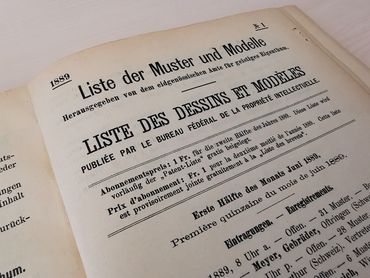
The former law on designs and models was in force for over 100 years. It expressly permitted the submission of designs by parcel post. Photo: IGE
Legal basis for the parcels
The basis for these design protection parcels was the Designs and Models Act, which came into force on 1 April 1889 and was completely revised in 1900. The complete revision expressly permitted parcel submissions because, among other reasons, cameras weren’t yet widely available at the time to document the objects. As a result, physical originals or faithful reproductions were often sent in sealed parcels.

The object was considered to have been filed as soon as the parcel was posted at a Swiss post office. The date of the postmark served as the priority date. The option of a ‘secret filing’ was also enshrined in law: the objects were submitted in a sealed envelope or parcel, which wasn’t opened by the IPI until the initial protection period had expired. The parcels were checked upon receipt and processed for registration. After that, depending on their importance, the space available and practice, they were either archived or disposed of after the retention period had expired.
From parcels to digital images
After more than 100 years and far-reaching developments in photography and digitisation, the old Designs and Models Act was replaced. The Designs Act (DesA) came into force in 2002. As a result, a design is now considered filed when an application for registration has been submitted to the IPI together with a representation of the design suitable for reproduction.
Under the new law, images are required to be submitted with applications, either as drawings or photographs with the application form. 98% of customers choose to file by email, while the rest send their application by post or visit the IPI in person. The representations depicting the design are crucial for protection.
The archive is a treasure trove of design history
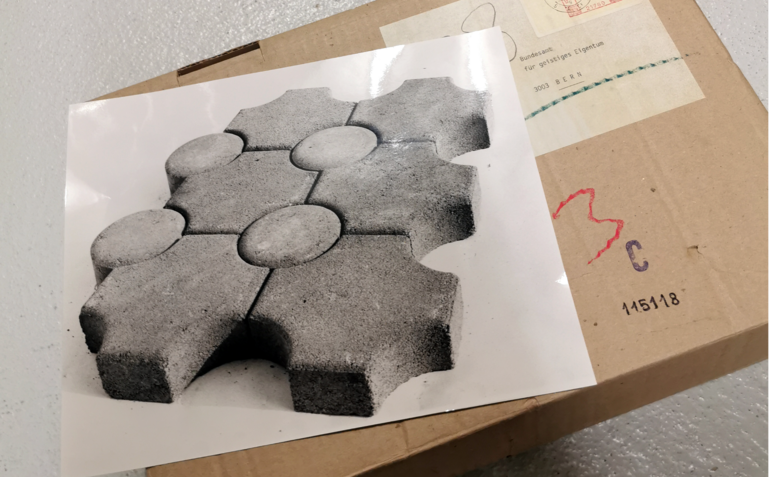
Numerous items remain in the IPI’s archive, which have been photographed and documented. Some of the physical objects are still stored, especially the particularly significant or typical ones. The collection also includes many design drawings from abroad; the inventory dates back to the 1970s and reflects the trends, materials and design languages of the past decades.
Today, 30 years after the IPI was founded, these parcels and objects are a piece of living design history – reminding us how much design itself and the registration process have changed.